

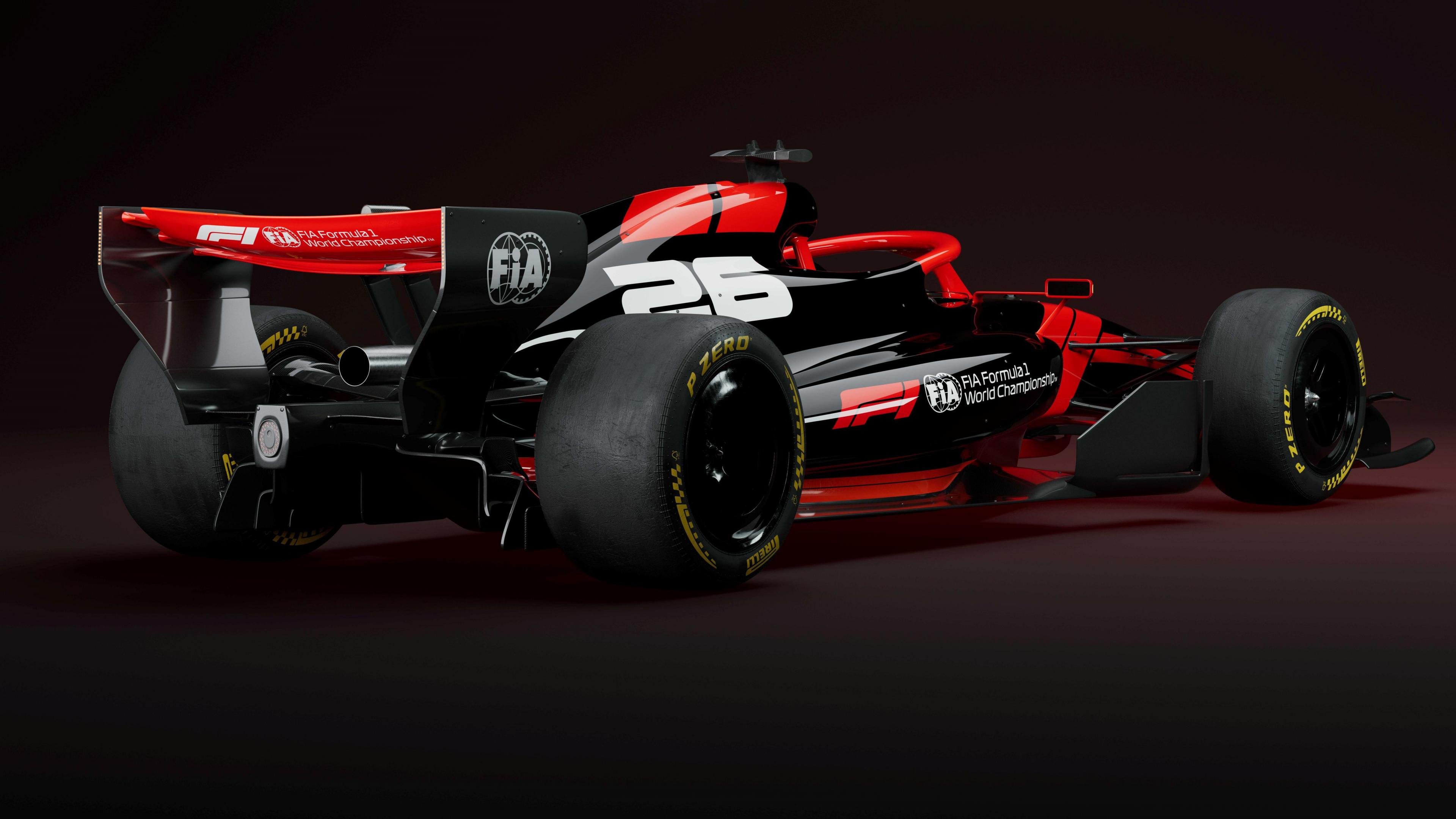
The 2026 Formula 1 cars are expected to be lighter, more agile and sustainable relative to present-day cars.
F1 has introduced the simplified vocabulary that will be used to reference the technical complexities of its upcoming 2026 rulebook.
The racing series is embarking on what is potentially the biggest rules overhaul in its competitive history next season, featuring revised car and engine specifications and the mandatory use of eco-friendly fuels.
The revised engines, which keep the 1.6-litre V6 configuration, boast a significantly increased battery power, driving key advancements in the vehicles' aerodynamic design.
Over a race distance, pilots will tactically deploy electrical energy – potentially on qualifying laps – to secure the best performance.
Extensive fan consultation were undertaken with a diverse audience, including new, casual and core fans, to understand which terminology would improve understanding of the main elements of the new regulations.
The stated goal was to make a series of complex technical aspects of the competition as easy to grasp as possible for the global fanbase.
Consequently, initial designations for certain devices – such as "x-mode and z-mode" for the moveable wings – have been abandoned in preference for descriptive names that directly explain the actual function of the system.
Exploring the New Tech
The FIA states that competitors will have more power to choose strategies regarding power usage, energy recovery, and saving energy.
The 2026 rules mandate a set of functions that will be shown on TV overlays to aid the audience's understanding of the race battle.
- Passing Mode: This supersedes the present overtaking aid. It provides a surge of additional ERS power available when a competitor is less than a second the leading car to facilitate an overtake.
- Boost Mode: This is a on-demand battery discharge from the ERS that can be deployed for overtaking or defending. It grants the pilot full engine and battery energy at the click of a switch.
Both of these strategic tools will have to be managed carefully, as the overall battery capacity is capped.
- Active Aerodynamics: Both the nose and rear wings move automatically – flattening on the long straight sections for low aerodynamic resistance and higher speed, and closing in the turns for maximum downforce.
- Energy Harvesting: Drivers can recharge the energy store with energy harvested under braking, or during throttle lift at the conclusion of a straight or in corners where only reduced throttle is required.
Car Design Evolution
The 2026 cars will be reduced in size and weight relative to current models, with a car length reduced by 200mm to 3,400mm, width narrowed by 100mm – down to 1,900mm – and the minimum weight reduced by 30kg.
Overall downforce is projected to decrease by approximately fifteen to thirty percent, although squads will naturally regain performance as they refine their designs.
Drag has been reduced by 40%. The vehicles will employ active aerodynamics – front and rear wings will move on the straights to reduce drag and increase straightline speed and click back into place for maximum cornering performance.
Wheels will continue to use 18-inch rims, but the tyres themselves will be narrower, by 25 millimetres on the front axle and 30mm at the rear.
What's Changing in the Engines?
The revised hybrid units will have an approximate 50-50 split in power produced by the ICE and the ERS, up from about 20% electrical in the current formula.
The energy recovery system is made less complex through the deletion of the MGU-H, the intricate and expensive unit that generated electricity from the exhaust turbo.
Every car on the grid will be required to run on 100% sustainable fuel, created from plant-based materials or synthetic industrial processes.


